At SpeedX Careers, we don’t just guide you — we walk with you.we help you choose the right course, the right university, and the right future. From UG to PG to Doctorate programs, our expert team ensures your education journey is stress-free, trusted, and fully personalised. We guide students through every step of their overseas education journey. From choosing the right course to landing in your dream country, we make the process seamless, transparent, and stress-free.



1.5 dimensional career assessment test includes a detailed analysis of personality, interest, career motivators, learning style and abilities.
2.Since 2008 it is considered as an industry benchmark. It is a highly accurate and reliable assessment and based on well-proven psychometric theories.
3.Career analysis is done among 20+ career clusters, 180+ career paths and 3000+ occupations.
Career clarity is the foundation of success.Our expert career counselling using 5 psychometric assessments to helps students understand their strengths, explore the right education and career options, and make informed decisions for a secure future.


Choosing the right course and the right university is a critical career decision. At SpeedX Careers, we guide students through a structured selection process based on career goals, academic background, and future opportunities. Our expert counseling ensures students enroll in programs that offer strong learning outcomes, recognition, and real career value—both in India and abroad.
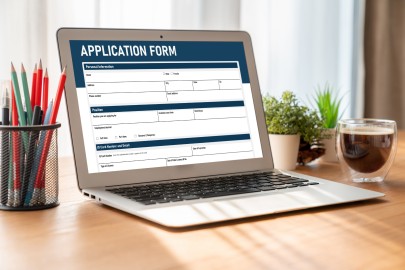

Applying to international universities requires accurate documentation and timely submissions. SpeedX Careers provides complete support for the application and documentation process, ensuring all academic records, eligibility documents, and forms meet university and country-specific requirements. We guide students step by step to ensure a smooth, error-free application process and higher chances of admission.

Financing education abroad can be challenging. SpeedX Careers assists students in securing education loans by guiding them through eligibility, documentation, and bank coordination. Our support helps simplify the loan process, reduce delays, and ensure timely financial approval for a smooth admission journey.

A strong Statement of Purpose (SOP) is key to standing out in university applications. SpeedX Careers helps students craft compelling, personalized SOPs that highlight their academic strengths, career goals, and unique story. Our expert guidance ensures your SOP makes a lasting impression on admissions committees, increasing your chances of acceptance at top universities worldwide.

A strong Letter of Recommendation (LOR) can make all the difference in university admissions. SpeedX Careers guides students in obtaining well-crafted, credible LORs that highlight their skills, achievements, and potential. Our support ensures your recommendation letters leave a positive impression on admission committees and strengthen your application for top institutions worldwide.

Navigating the visa process can be complex and time-sensitive. SpeedX Careers provides end-to-end visa support for students applying abroad, from document verification and application submission to interview preparation. Our expert guidance ensures a smooth, hassle-free process, increasing the chances of timely approval and a stress-free start to your international education journey.

Finding safe and comfortable accommodation abroad can be challenging. SpeedX Careers helps students secure the right housing before they arrive, guiding them through options, documentation, and booking procedures. Our support ensures a smooth transition, so students can focus on their studies and settle in comfortably from day one.

Studying abroad can be expensive, but the right scholarship can make it affordable. SpeedX Careers guides students in identifying eligible scholarships, preparing applications, and meeting deadlines. Our expert support maximizes your chances of securing financial aid, helping you pursue your international education goals with confidence.

Comprehensive IELTS preparation with expert guidance, mock tests, and speaking practice to support overseas education and international career opportunities.

NCLEX / Prometric Training: Structured coaching with expert guidance, practice questions, and exam strategies to support international nursing licensure. BLS & ACLS Training: Certified life support training in basic and advanced cardiac life support for healthcare professionals.

Online Education: Smart learning for ambitious students—recognized courses, expert guidance, and real career outcomes. Flexible, career-focused online programs designed to upskill you for today’s competitive job market.

Study in

Study in

Study in

Study in

Study in

Study in

Study in

Study in

Study in

Study in

Study in

Study in

Study in

Study in

Study in

Study in

Study in

Study in

Study in



“I am extremely grateful to speedx Visa Consultancy for making my dream true. The helped me process my visa for Canada. It has accepted in record time. speedx are amazing so I Highly recommend them.”

“I am extremely grateful to speedx Visa Consultancy for making my dream true. The helped me process my visa for Canada. It has accepted in record time. speedx are amazing so I Highly recommend them.”
“I am extremely grateful to speedx Visa Consultancy for making my dream true. The helped me process my visa for Canada. It has accepted in record time. speedx are amazing so I Highly recommend them.”